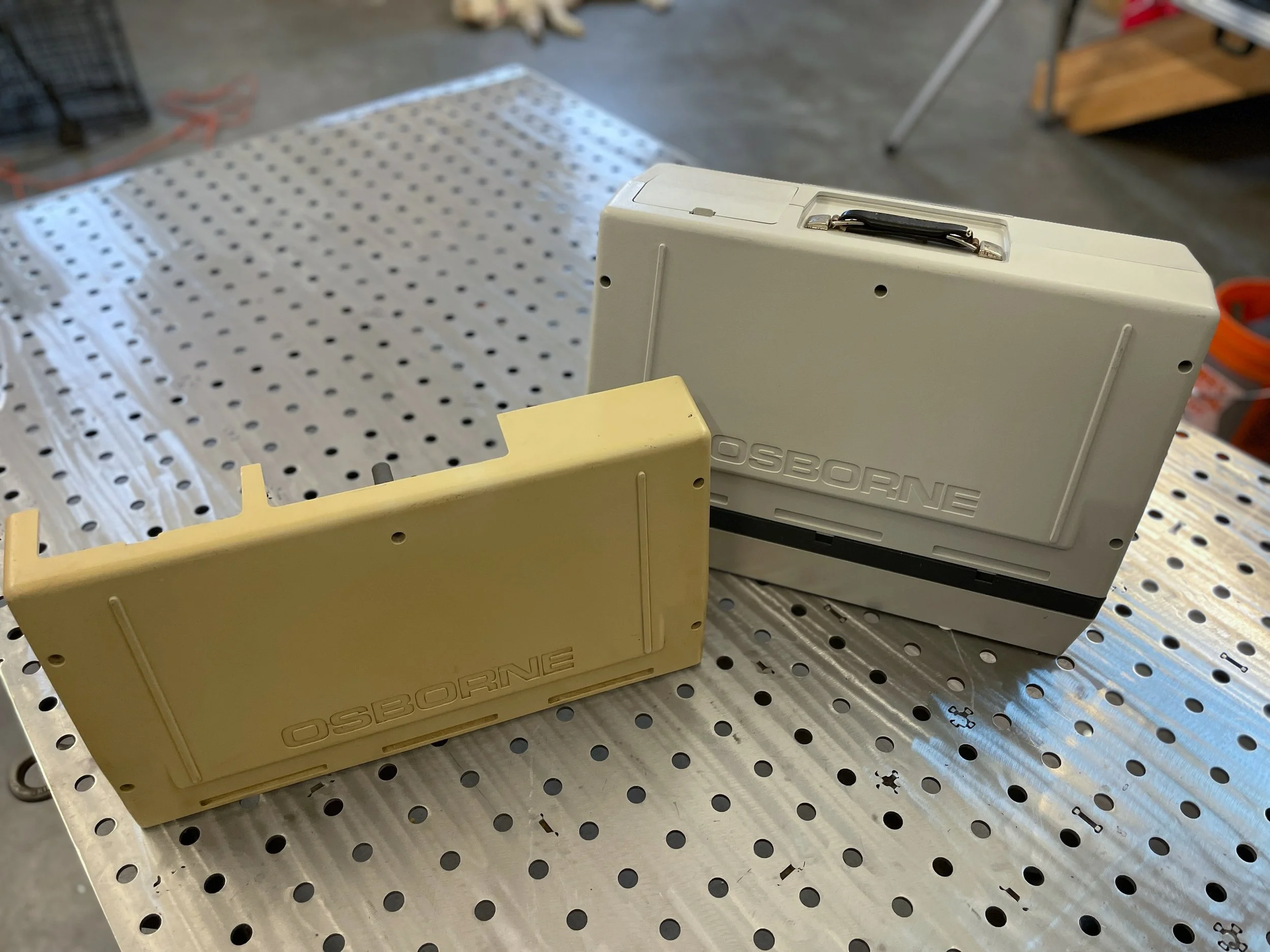
Retrobright is a technique for bleaching old, yellowed plastic back to its original or near-original color. The yellowing that affects vintage computer plastics occurs due to a chemical reaction in ABS plastic when exposed to heat and ultraviolet light over time.
For those interested in the detailed chemistry behind this deterioration, the Hackaday article “The Retrobright Mystery” provides an excellent technical explanation.
Most Affected Systems
Certain computer models suffer particularly badly from discoloration. Apple IIs, Osbornes, and Ataris are among the worst, often turning a horrible yellow color that bears little resemblance to their original appearance.
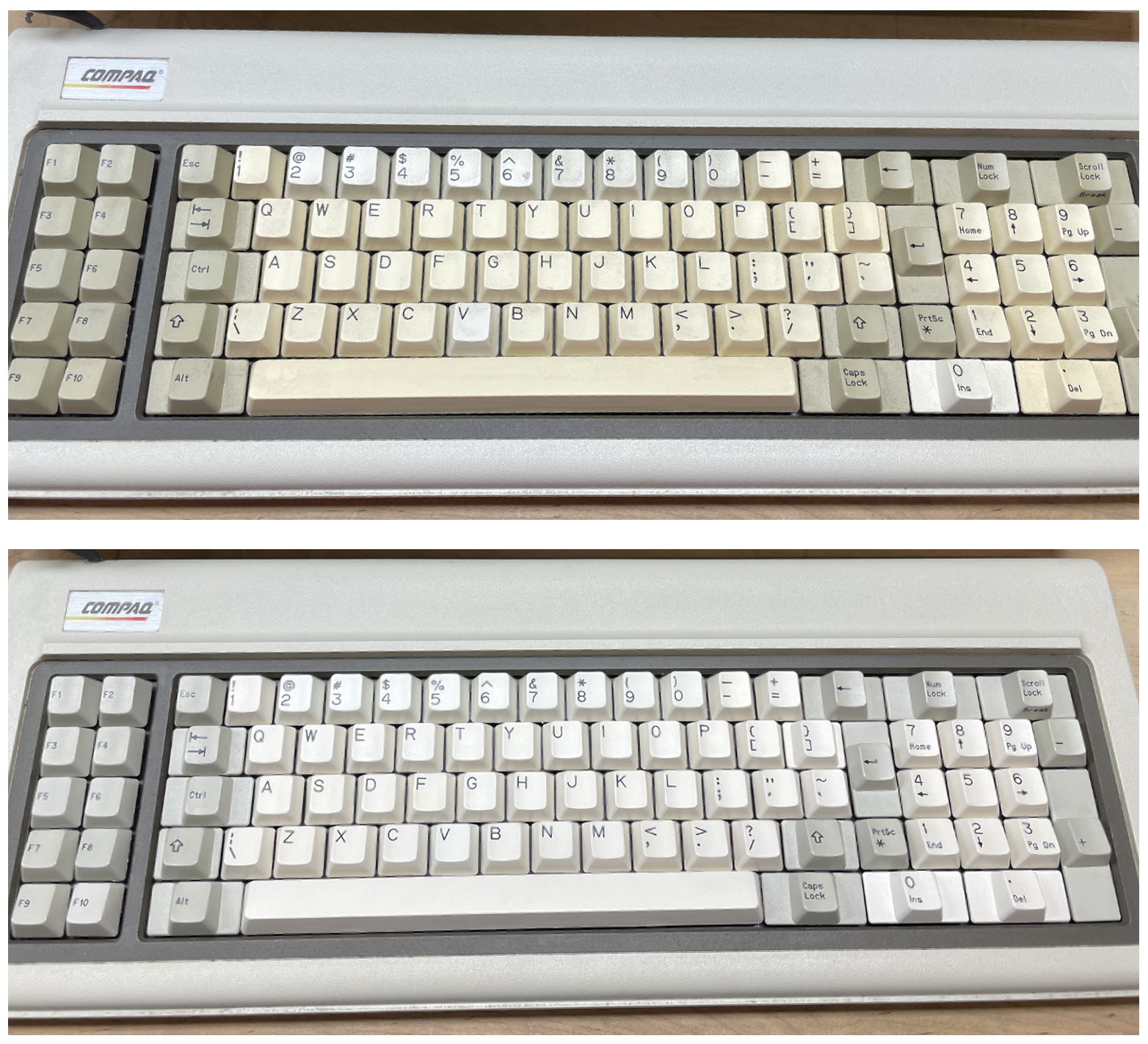
Compaq computers present additional challenges, as their keyboards often use different ABS formulas than the main case. The result can look spectacularly bad, with the keyboard and case yellowing at different rates and to different shades.
Arguments Against Retrobright
There are three primary objections commonly raised against the Retrobright process:
1. The Patina Argument
Some believe old computers should retain their aged appearance as historical artifacts. The yellowing, they argue, is part of the machine’s history and should be preserved.
2. The Brittleness Concern
Critics contend that the bleaching process compromises the structural integrity of the plastic, making it more brittle and prone to cracking.
3. The Permanence Question
Opponents argue that yellowing will inevitably return, making the effort pointless.
Counterarguments
On Patina
There’s an important distinction between earned wear and chemical degradation. When keyboard keycaps have worn down due to actual use, that represents legitimate history - a record of the machine being used and loved. Yellowing from environmental exposure, however, is simply damage unrelated to actual use. It tells us nothing about how the machine was used, only that it sat somewhere with UV exposure.
On Brittleness
Retrobright should only affect the outer surface of the plastic. The process doesn’t penetrate deeply into the material, so structural integrity remains intact. The plastic was already exposed to the same UV light that caused the yellowing - the bleaching process isn’t introducing new stresses.
On Permanence
Yes, yellowing may eventually return, but this occurs over decades if the computer is well cared for after restoration. Keep the machine away from direct sunlight and excessive heat, and the restoration will last for many years.
My Philosophy
I advocate for restoring machines as close to their original appearance as possible. This approach honors how the designers envisioned their creations and how people who loved these computers remember them.
There’s also a practical consideration: restored machines are more approachable to younger people who never experienced these computers when they were new. A yellowed, aged appearance can make vintage computers seem like ancient relics rather than the revolutionary tools they were. A clean, restored machine invites interaction and appreciation.
The goal isn’t to pretend the machine is brand new - it’s to remove damage that obscures the original design and makes the machine less appealing to use and display.
Gallery